
OTTAWA, Ont. - Bill C-38, the Canadian Fuel Affordability Act, received Royal Assent on Thursday, October 29, 2026, extending the temporary suspension of the federal fuel excise tax until January 31, 2027, in a move the government says will keep saving Canadians money at the pump.
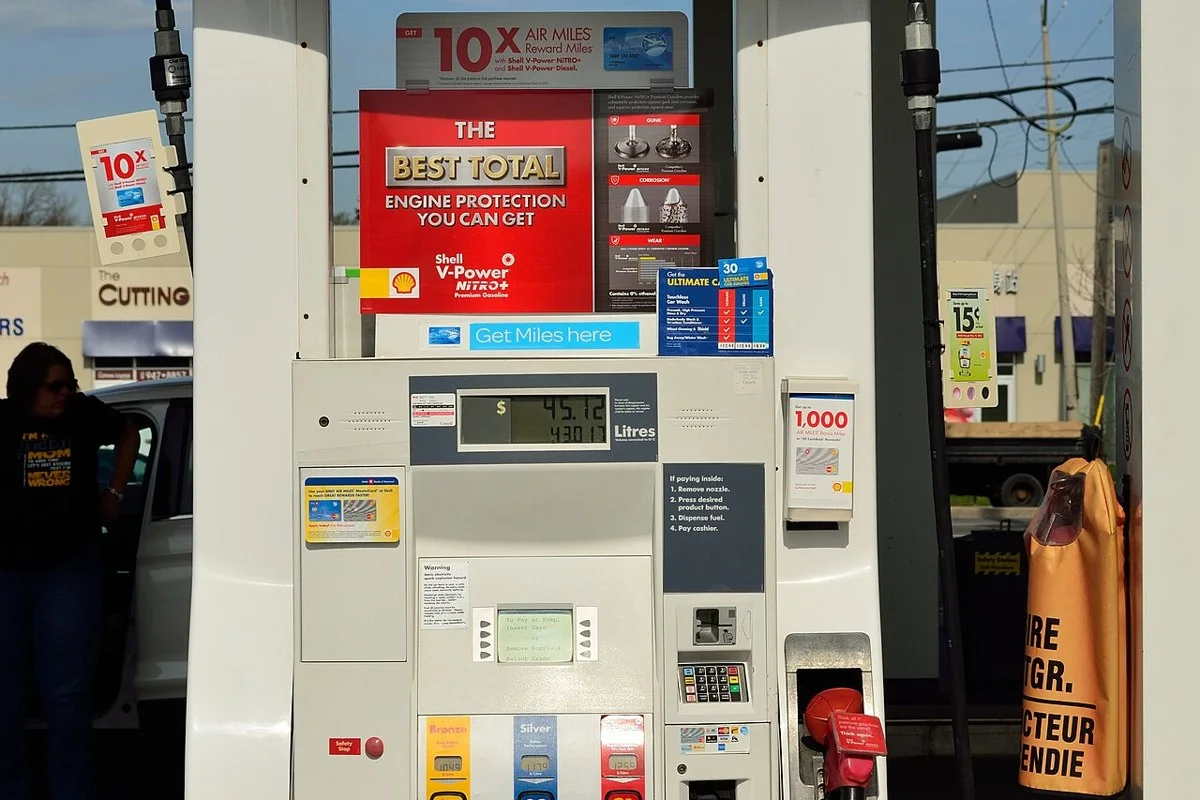
While the full relief remains in place, Canadians will continue to save more than $5 every time they fill a typical 50-litre tank of gasoline. From February 1, 2027, the federal fuel excise tax rates will be restored at 50 per cent of their regular levels until March 31, 2027, and from April 1, 2027, they will return to their full levels.

The measure, introduced in spring 2026 to provide immediate relief at the pump, applies to gasoline, leaded and unleaded aviation gasoline, diesel, and aviation fuel. Its extension is expected to deliver an additional $2.9 billion in relief, increasing the total estimated fuel tax savings for Canadians to $5.3 billion in 2026-27.
The original suspension took effect on April 20, 2026, saving Canadians 10 cents per litre on gasoline and unleaded aviation gasoline, 11 cents per litre on leaded aviation gasoline, and 4 cents per litre on diesel fuel and aviation fuel. Gasoline prices declined by 11 cents per litre on the first day of implementation, according to the Department of Finance.
During the transition period from February 1 to March 31, 2027, federal fuel excise tax rates will be 5 cents per litre for gasoline and unleaded aviation gasoline, 5.5 cents per litre for leaded aviation gasoline, and 2 cents per litre for diesel fuel and aviation fuel. From April 1, 2027, full rates return: 10 cents per litre for gasoline and unleaded aviation gasoline, 11 cents per litre for leaded aviation gasoline, and 4 cents per litre for diesel fuel and aviation fuel.
“By extending this tax relief, we are helping Canadians keep more of their hard-earned money, lowering transportation costs for businesses, and helping protect our economy from global disruptions. This is about making life more affordable and keeping our economy moving in a more uncertain world,” said François-Philippe Champagne, Minister of Finance and National Revenue.
The government says higher fuel costs are being felt across the economy, affecting families as they commute or run errands, as well as businesses moving food, building materials and other essentials. Extending the relief, it says, will help lower everyday costs while supporting truckers and businesses in the food, agriculture, housing, construction, delivery and aviation sectors.
For Surrey readers, the numbers translate directly to the daily commute. Surrey is a driving city, and a household filling a 50-litre tank weekly saves more than $5 a week, or more than $20 a month, while full relief lasts. The phase-out schedule also matters for household budgeting: relief halves on February 1, 2027, and ends April 1, 2027, so the savings shrink in two steps rather than stopping all at once. Drivers should not confuse this federal excise relief with provincial taxes or with the price of crude oil, both of which move pump prices independently of this measure.
The announcement also lists broader affordability measures the government says it has taken, including the Canada Groceries and Essentials Benefit, income tax cuts for 22 million Canadians, the cancellation of the consumer carbon tax, and GST relief for first-time buyers of new homes. Those are the government’s claims in its own release, not independent findings, and this article reports them as such.
(Source: Department of Finance Canada news release, October 29, 2026)