

Correction, November 15, 2026: the worked example now includes the CMHC insurance premium of $37,000 in the mortgage. The monthly total is about $6,222, not about $6,005 as first published, and the five-year figures are updated to match.

One Street, Three Futures is a new Apna News series about the money decisions Surrey households make on the same streets. Episode 1 starts with the biggest decision of all: rent, or own?
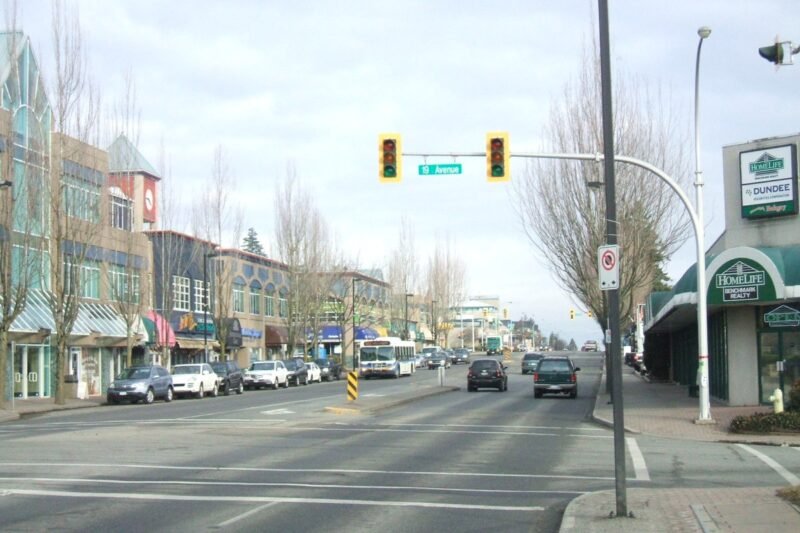
Picture one Surrey street. In the low-rise at the corner, a family rents a two-bedroom apartment. A few doors down, a family has just bought a house. Same street, same schools, same commute, and two completely different monthly bills. This episode compares what each household actually pays, using only figures published by Canada Mortgage and Housing Corporation (CMHC), Statistics Canada and the City of Surrey. Every figure carries its year, because the sources do not all measure the same year, and pretending otherwise would make the comparison false.
Key Takeaways
- Renting a two-bedroom purpose-built apartment in Surrey averaged $1,872 a month in October 2025, and two-bedroom homes were the hardest to find, with a vacancy rate of just 2.7 percent (CMHC).
- The 2021 census put the median value of a Surrey home at $1,000,000. Under CMHC rules, the minimum down payment at that price is $75,000.
- In a worked example using an example mortgage rate of 5 percent, a new buyer of that $1,000,000 home pays about $6,222 a month in mortgage, property tax and City utility charges, before insurance, heating and repairs.
- In the 2021 census, 30.9 percent of Surrey tenant households spent 30 percent or more of their income on shelter, compared with 24.0 percent of owner households.
- About seven in ten Surrey households own their home: 129,100 owner households against 56,575 renter households (2021 census).
In this guide: What does it cost to rent on that street today? | What does it cost to own on the same street? | Why does the census say owners pay less each month? | Who is stretched thinner, renters or owners? | So which future wins on this street?
What does it cost to rent on that street today?
CMHC’s October 2025 rental survey puts the average rent for a two-bedroom purpose-built rental home in Surrey at $1,872 a month. A one-bedroom averaged $1,602 and a three-bedroom $1,956, and the median rent across every unit size was $1,740 a month.
The CMHC figures come from the fall 2025 Rental Market Survey, which covers purpose-built rental buildings across Surrey, from low-rise apartments to rental townhouses. The overall vacancy rate was 4.3 percent, the loosest Surrey rental market in years, but the family-sized end stayed tight: two-bedroom and three-bedroom homes both sat at 2.7 percent vacancy.
The census paints a cheaper picture for renters, and the difference is the year and the mix. In 2021, the median monthly shelter cost for Surrey renter households was $1,300, covering rent plus utilities where the tenant pays them. That median includes long-term tenants in older leases and households in subsidized housing, and it is five years old. The CMHC average is the better guide to what a family searching today will face, while the census shows what the typical renter household actually paid in 2021.
One more renter cost needs no table: moving in takes a deposit and the first month’s rent up front, and there is no property tax bill, no special levy and no furnace replacement in a renter’s budget.
What does it cost to own on the same street?
The 2021 census put the median value of a Surrey home at $1,000,000, and the median owner’s shelter costs at $1,820 a month. That figure averages in families who bought decades ago. A family buying at the median price today carries about $6,222 a month in mortgage and city charges.
Shelter costs for owners, as Statistics Canada defines them, bundle the mortgage payment, property tax and condo fees with electricity, heat, water and other municipal services. Surrey’s 2026 city charges are the part of that bundle a buyer can price exactly today, from the City’s own published rates.
Here is the full worked example this episode is built on. It uses the census median home value as the price, CMHC’s down payment rules, the City of Surrey’s 2026 rates, and one clearly labelled example interest rate.
- Price: $1,000,000 (median value of a Surrey home, 2021 census)
- Minimum down payment: $75,000 (CMHC: 5 percent of the first $500,000, plus 10 percent of the portion above $500,000; CMHC insurance covers purchases priced below $1,500,000)
- Mortgage: $925,000, plus a CMHC insurance premium of $37,000 (4.00 percent of the mortgage, the CMHC rate for a loan-to-value of 90.01 to 95 percent), which is added to the mortgage whenever the down payment is under 20 percent, for a total mortgage of $962,000
- Example mortgage payment: $5,624 a month at an example rate of 5 percent, 25-year amortization (an illustration, not a rate quote; your lender’s rate will differ)
- Property tax: $3,427 a year (City of Surrey 2026 total residential rate of $3.42731 per $1,000 of assessed value, applied to a $1,000,000 assessment)
- Parcel and waste charges billed with taxes: $895 a year ($300 capital parcel tax, $250.71 drainage parcel tax, $344.08 waste collection)
- Water and sewer: $2,856 a year (City of Surrey 2026 flat rates for a single-family home: $1,195 water, $1,661 sewer)
- City charges together: about $7,178 a year, or $598 a month
- Mortgage plus city charges: about $6,222 a month, before home insurance, heating, maintenance and repairs
A townhouse or condo on the same street changes the mix, not the shape: a lower price and mortgage, plus monthly strata fees that renters never see. The census counts those fees inside owner shelter costs.
Why does the census say owners pay less each month?
Because the census counts every owner at once: families who bought decades ago at far lower prices, owners with small mortgages, and owners with none. Their shelter costs, mortgage, property tax, condo fees and utilities combined, had a median of $1,820 a month in 2021.
That $1,820 median is real, and it is the strongest number in the owner’s case. Most Surrey owners are not paying a 2026 mortgage on a 2021 price. They bought five, ten or thirty years ago, many have paid the mortgage down or off entirely, and their monthly shelter bill is mostly tax, utilities and upkeep. The renter’s $1,300 median and the owner’s $1,820 median describe the households Surrey already has. The $6,222 worked example describes the household trying to buy today. All three numbers are true at once, which is exactly why this argument never settles at the dinner table.
Who is stretched thinner, renters or owners?
Renters, on the standard measure. In the 2021 census, 30.9 percent of Surrey tenant households spent 30 percent or more of their income on shelter costs, compared with 24.0 percent of owner households. Altogether, 48,210 Surrey households sat over that affordability line.
The tenure split explains Surrey’s politics as much as its budgets. Owners outnumber renters more than two to one, 129,100 households to 56,575 in the census, so policies that protect home values speak to the larger group. Yet the strain sits with the smaller one: nearly one in three tenant households was over the 30 percent shelter line in 2021, against about one in four owners. Renting is the cheaper door into the city and the heavier load relative to income, both at the same time.
So which future wins on this street?
On monthly cost today, renting wins by a wide margin: $1,872 against about $6,222 for a new buyer. On wealth building, the owner repays about $110,000 of mortgage principal in five years while building equity. The renter wins only if the roughly $4,350 monthly gap is actually saved.
Stretch the worked example over five years and the trade is stark. The renter pays about $112,320 in rent at today’s average, assuming no increases. The new buyer pays about $373,000 in mortgage and city charges over the same five years, and still owes about $852,000 of the mortgage. What the buyer holds for that extra money is roughly $110,000 of repaid principal, plus or minus whatever the market does to the home’s value, plus the $75,000 down payment now sitting in the property instead of an account.
The renter holds the difference only if it survives. The roughly $4,350 monthly gap between the two bills is the largest forced-savings plan most families will ever be offered, and the easiest one to spend. That, more than the interest rate, is what separates the three futures on this street.
Neither household on our street is making a mistake. The renter is buying flexibility and a survivable monthly bill. The owner is buying permanence and an asset, at a price that would have been unimaginable to the owners the census counted in 2021. Which future is right depends on how long you stay, how steady your income is, and whether the gap gets saved or spent.
Episode 2 of One Street, Three Futures looks at the newcomer money trap: the costs that land in a family’s first year in Surrey. This article is general information based on the public sources listed below. It is not financial advice.
(Sources: CMHC Housing Market Information Portal, Rental Market Survey, October 2025; Statistics Canada, Census Profile, 2021 Census of Population, City of Surrey; City of Surrey, 2026 property tax rates and utility billing pages; CMHC, Mortgage Loan Insurance Cost (premium table))

You Might Like