
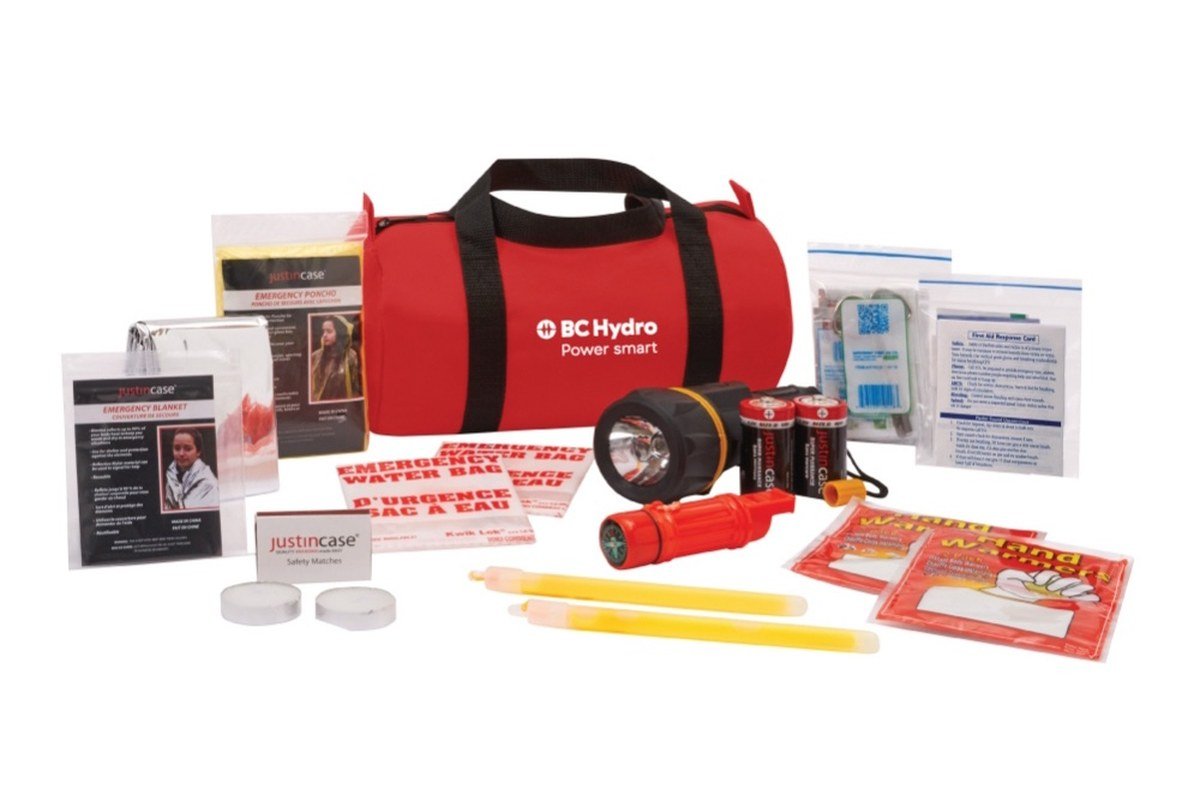
Surrey – The Lower Mainland and Fraser Valley, Surrey included, show one of the largest emergency preparedness gaps in the province in a new BC Hydro survey, even as another round of wind and rain moves across the South Coast this week.
Province-wide, 92 per cent of British Columbians believe emergency risks are increasing, yet only 17 per cent say they have a complete 72-hour emergency kit at home. In the Lower Mainland and Fraser Valley, 93 per cent see the risks rising, but only 28 per cent have signed up for emergency alerts and just 10 per cent have created or updated a household emergency plan.

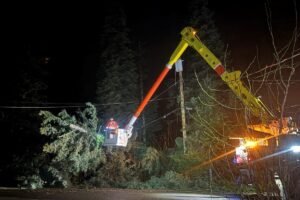
The survey lands in the middle of storm season. Earlier this month, a series of powerful storms caused outages affecting nearly half a million BC Hydro customers across the province, and Environment Canada has a wind warning in effect for Surrey tonight, with gusts to 90 km/h and 15 to 25 mm of rain.
“After the storms we’ve seen this month, emergency preparedness is especially top of mind for British Columbians,” said Whitney Deane, a BC Hydro spokesperson. “Our survey shows people understand the risks and many have already started preparing, but there is more work to do. Building a complete emergency kit and making a household plan are simple actions that can make a meaningful difference when an emergency occurs.”
More than seven in 10 residents say they took at least one preparedness step in the past year: 40 per cent stored extra food or drinking water, 35 per cent signed up for emergency alerts, and 26 per cent discussed emergency plans with the people they live with. BC Hydro says those steps work best combined into a full household plan backed by a complete kit.
By the numbers, region by region
- Lower Mainland and Fraser Valley: 93 per cent see emergency risks increasing; 28 per cent have signed up for emergency alerts; 10 per cent have created or updated a household emergency plan.
- Southern Interior: 51 per cent have signed up for emergency alerts; 44 per cent have checked or updated an emergency kit; 20 per cent have created or updated a household emergency plan.
- Northern B.C.: 42 per cent have checked or updated an emergency kit; 34 per cent own backup power equipment; 34 per cent have purchased or updated emergency supplies.
- Vancouver Island and North Coast: 41 per cent have signed up for emergency alerts; 20 per cent have completed emergency preparedness or first aid training.
BC Hydro says regions that have lived through severe weather, wildfires and long outages generally report the strongest preparedness habits, while awareness in the Lower Mainland has not translated into action at the same rate.
What BC Hydro says to do now
- Build or refresh a 72-hour emergency kit with water, food, medications, flashlights, batteries and first-aid supplies.
- Make a household emergency plan so everyone knows how they will communicate and where they will go if services are disrupted.
- Download the BC Hydro app and learn the outage map before severe weather arrives.
- Stay at least 10 metres away from downed, damaged or low-hanging power lines, and always call 911 to report them.
BC Hydro’s full preparedness guidance is posted on its safety page.
Source: BC Hydro, November 25, 2026.

You Might Like