

Apna News Brief
Ottawa - Health Canada is warning Canadians taking Ozempic, Wegovy and other prescription semaglutide drugs of a very rare but serious risk of sudden vision loss, after a safety review found a possible link between the drugs and an eye condition called non-arteritic anterior ischemic optic neuropathy, or NAION.

The public advisory, published November 25, covers all prescription semaglutide drugs sold in Canada. The brand names are Ozempic, Rybelsus, Plosbrio, Poviztra and Wegovy, and the generic names include Apo-semaglutide injection, Aspen-semaglutide, Dr Reddy’s Laboratories Ltd. semaglutide injection, Sandoz semaglutide and Sevmia. Semaglutide is used for type 2 diabetes, weight management and other indications, and has been marketed in Canada since 2018.
NAION happens when blood flow to the front of the optic nerve drops, causing sudden, usually painless vision loss that is often permanent. It is the most common type of optic neuropathy in adults over 50 and a significant cause of permanent vision loss. It occurs more commonly in people with diabetes, high blood pressure and high cholesterol, and there is currently no treatment for it.
Health Canada reviewed 23 cases of NAION in people taking semaglutide, 12 in Canada and 11 internationally, and found 16 of them possibly linked to the drug. One Canadian case was unlikely to be linked, and six Canadian cases could not be assessed because of limited information. The department also reviewed 10 published studies. Several studies found that people with type 2 diabetes who used semaglutide were about twice as likely to develop NAION as people who used other diabetes treatments or did not use semaglutide, but Health Canada stresses the risk remains very rare.
The warning signs are sudden vision loss or rapidly worsening eyesight, often noticed on waking, with cloudy or blurred vision across part of the visual field, usually the lower half, and colours looking faded. Less commonly, vision loss develops gradually over about two weeks. Health Canada says anyone who experiences sudden vision loss or rapidly worsening eyesight while taking semaglutide should seek urgent medical attention. A doctor may refer the patient to an eye specialist, and treatment with semaglutide should be stopped if NAION is confirmed.
Health Canada is working with manufacturers to update the Canadian product monographs for semaglutide drugs to include warnings about NAION. The risk has already been added to the monographs for most semaglutide products. The department is also assessing whether the same risk applies to other GLP-1 receptor agonist drugs. In 2025, the European Medicines Agency updated the labelling for Ozempic, Wegovy and Rybelsus to include the NAION risk.
For Surrey readers, the warning matters because South Asian adults face a higher risk of type 2 diabetes, and semaglutide drugs are widely prescribed here for diabetes and weight management. Health Canada is not advising patients to stop semaglutide on their own; anyone with questions should speak with their doctor or pharmacist.
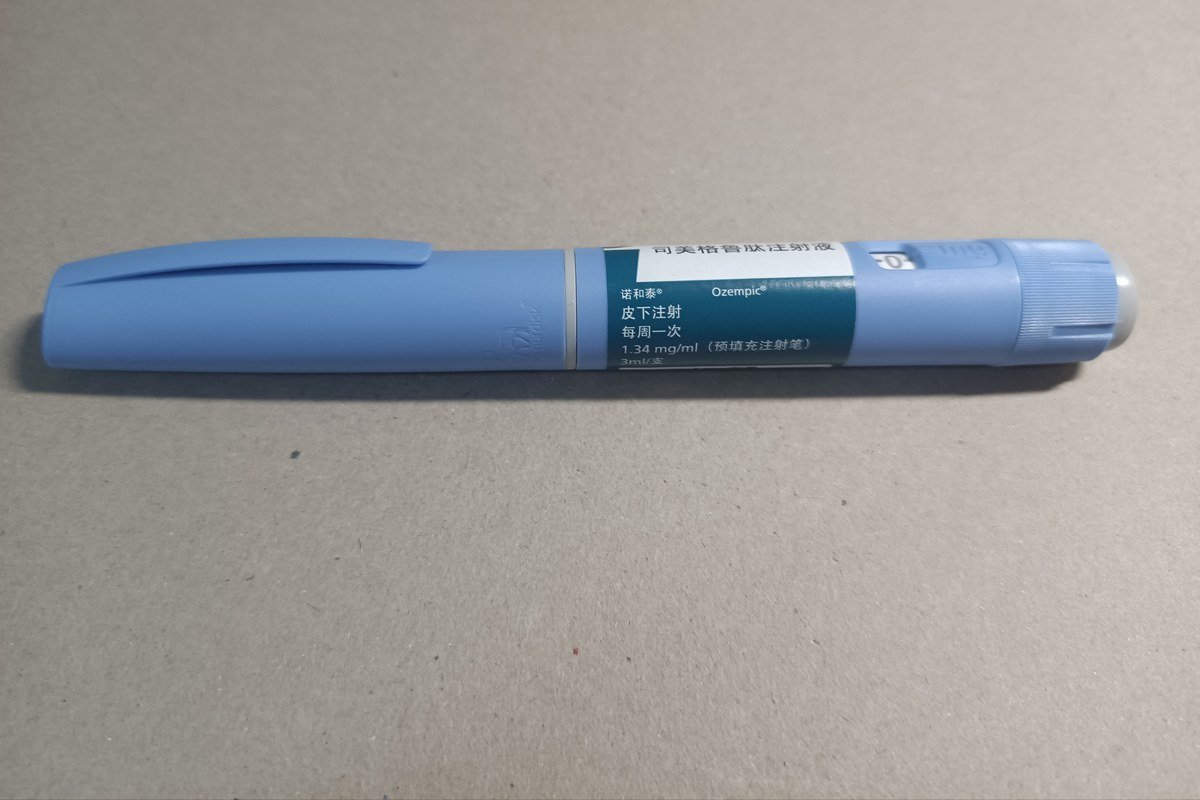
An Ozempic pre-filled semaglutide pen. File photo: HualinXMN, CC BY-SA 4.0, via Wikimedia Commons.
Source: Source