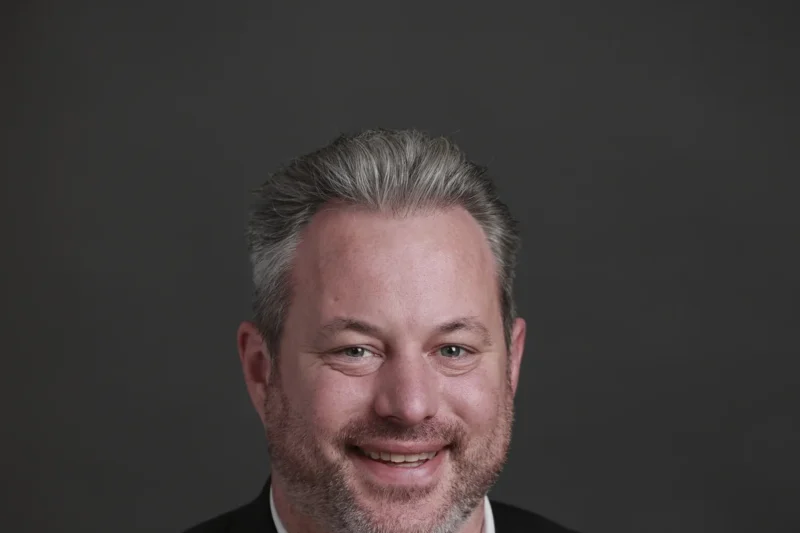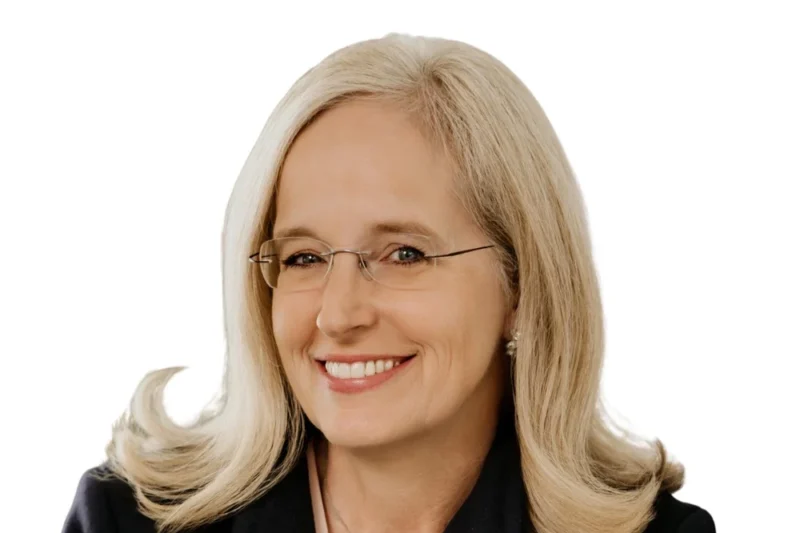

The mandate letters Premier Lorne Doerkson issued to his cabinet on November 24 set out the new government’s five goals. Read closely, the individual letters also carry specific orders for Surrey’s three cabinet members: Jessy Sahota, Trevor Halford and Zeeshan Wahla. Here is what each of them has been told to deliver.

Jessy Sahota, Minister of Public Safety and Solicitor General
Sahota’s letter is built around restoring public order, with enforcement running “from street crime to organized gangs and money laundering.” He is ordered to add police capacity over five years: 250 more police recruits, 500 more RCMP officers, 30 sheriffs and 150 civilian staff.
On repeat offenders, the letter directs him to strengthen bail and warrant enforcement, establish a dedicated repeat-offender court stream with the Attorney General, and expand electronic monitoring. He must also implement an Anti-Extortion Action Plan with specialized investigators and clear reporting and protection pathways for threatened businesses and families, an issue that has hit Surrey’s business community directly.
Working with the Health and Social Development ministers, Sahota is to help end the “safe supply” approach to drug use, expand drug courts, move funding to prevention, treatment and recovery, and review and reform overdose prevention and injection sites. His letter also requires public reporting on repeat offending, bail compliance, court delays, organized crime and community safety, and work with the federal government to remove non-citizen criminals from Canada.
Trevor Halford, Minister of Transportation and Infrastructure
Halford’s first order is to give cabinet all the information needed to make a final decision on the George Massey Tunnel Replacement. Beyond that, he is to deliver BC Future Corridors, the government’s program of roads, bridges, bypasses, lane expansions, rail and public transit, and to restore broad competitive bidding for provincial infrastructure.
For Surrey directly, Halford is ordered to advance the Surrey-Newton SkyTrain extension, working with TransLink, the City of Surrey and the federal government. His letter also amends the rules around TransLink: the authority is to be barred from putting a tax or levy on owning or registering a car, and an independent review of TransLink’s capital costs, executive compensation, administrative and operating costs and revenue sources is to be commissioned before any new or additional funding requests are considered.
The letter makes trucking safety a priority, with investigations of companies that break the rules or employ unqualified drivers, the strictest available penalties, and dash cams mandated in line with Government of Canada standards. BC Ferries gets two independent reviews, a fleet renewal strategy directing vessel work to B.C., and a Passenger Charter of Rights.
Zeeshan Wahla, Minister of State for Housing
Wahla, who works under the Minister of Local Government, Housing, Sport and Culture, is ordered to shorten housing development approvals “from years to months” and to align municipal zoning with Official Community Plans. With his minister, he is to review the Building Code, overhaul the Step Code and recommend reforms that reduce construction costs and unnecessary building requirements, and to accelerate family-oriented housing in well-planned neighbourhoods.
His letter also carries a health infrastructure task: working with the Minister of Transportation and Infrastructure, he is to re-start seven deferred long-term care homes for seniors.
The Deputy Premier’s letter carries hard numbers
Claire Rattée, Deputy Premier and Minister of Social Development, has the letters’ most specific financial commitments. Disability assistance is to increase by $100 per month, with an annual review of assistance rates established. The annual earnings exemption for people with disabilities rises to $30,000, and reductions to disability assistance based on a spouse’s income are to end. Rattée is also to coordinate outreach and support for people experiencing homelessness across the full cycle of treatment and recovery, and to work with the Health and Public Safety ministers to end the safe supply approach.
Every minister’s letter requires a measurable result and a delivery date for their priorities. The full letters are posted on the province’s cabinet ministers page.
Source: Government of British Columbia, Office of the Premier, November 24, 2026.

You Might Like