
SURREY, B.C. - A Kwantlen Polytechnic University (KPU) project backed by $357,883 in federal funding is looking for B.C. South Asian students to take part in a research study examining their sexual and reproductive health experiences and the barriers they face getting care.
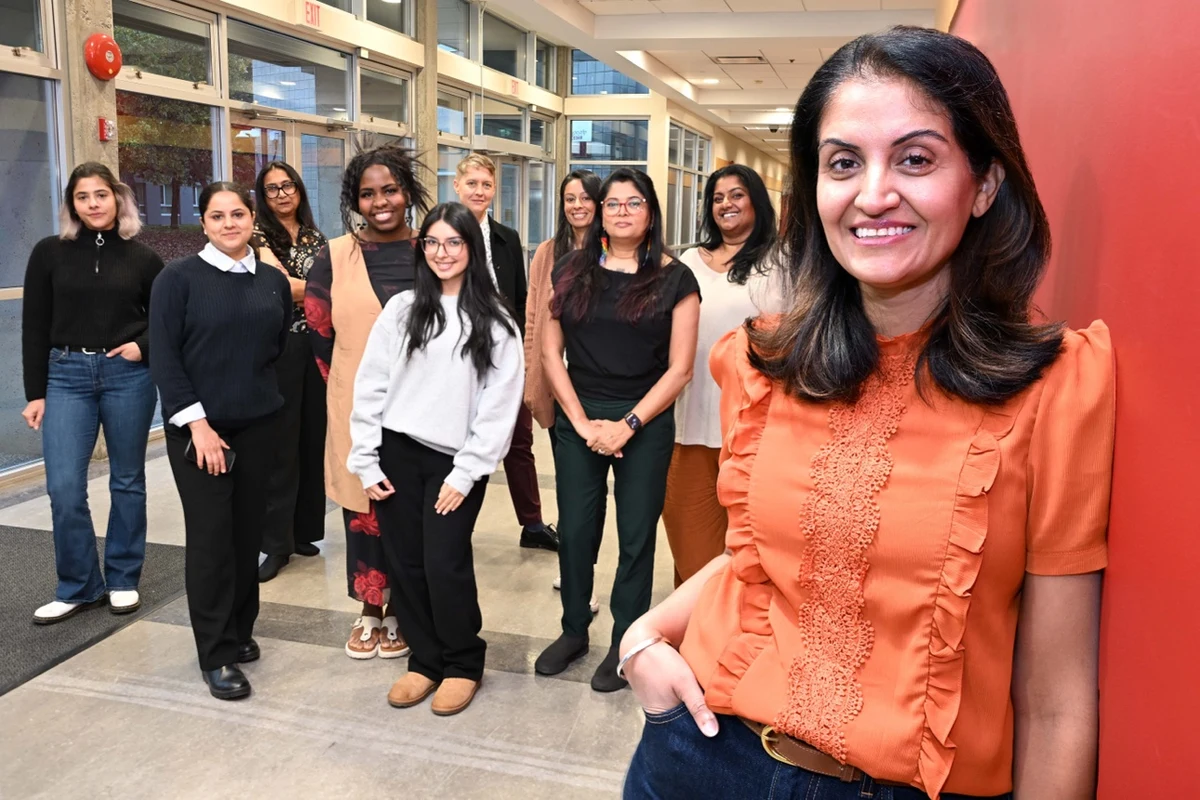
The study, led by KPU criminology instructor Dr. Sunny Mangat, focuses on South Asian women and South Asian LGBTQ+ students. It will examine the barriers international and domestic students face when navigating health services in B.C., as well as the factors that may make them vulnerable to sexual violence, exploitation and other harms.

The project is supported by a College and Community Social Innovation Fund grant from the Natural Sciences and Engineering Research Council of Canada (NSERC). Researchers will explore how cultural, informational and systemic factors shape students’ experiences and access to care, including seeking reproductive health care such as abortion and sexually transmitted infection services, accessing support after sexual violence or exploitation, understanding reporting options, and concerns such as threats of deportation. KPU says the findings will be used to help inform policies, programs and services that support student health and well-being.
Mangat says the project grew out of repeated conversations with students, service providers and community organizations who were seeing the same challenges firsthand. “I have students in my office all the time who are dealing with issues they don’t know who to talk to about,” Mangat said. “I’ve had students who have never been able to come out to anybody before but felt comfortable doing so with me. We need to create that space for these students. Their experiences are real and they need to be documented.”
“Universities need to provide more support, and institutions at all layers need to recognize that when we’re working with marginalized people, their needs are fundamentally different,” Mangat added. “The first step is creating awareness that this is actually happening. It’s not just rumours. From there, we can work together as a community and with institutions to develop supports that better meet students’ needs.”
Community partners, and how students can take part
Community organizations will play a key role in outreach and engagement throughout the study. Among them is the Poetic Justice Foundation, a Surrey-based organization that develops content, workshops and events aimed at addressing social inequalities and bias. “South Asian students often carry their struggles in silence, and when they do reach out, the systems meant to help them don’t always see the full picture,” said Anita Lal, co-founder and director of the Poetic Justice Foundation. “We have to meet people where they’re at, and that means understanding every barrier standing between them and care, from immigration fears and language to stigma, family pressure and caste.”
Students interested in participating in the study can contact the research team at shresearch@kpu.ca or email Dr. Mangat directly at sundeep.mangat@kpu.ca. More information is available on the Sexual and Reproductive Health Research Collective website.
Why this matters in Surrey
Surrey is home to one of Canada’s largest South Asian communities and to KPU’s main campus, and thousands of South Asian international and domestic students study at KPU and other Lower Mainland institutions while living in Surrey, Delta and Langley. For many of them, seeking sexual or reproductive health care means navigating stigma at home, language barriers, unfamiliar systems and, for international students, fear about immigration status. A study designed with community organizations, documenting those barriers in students’ own words, is aimed squarely at the services those students actually use in this region.
KPU has served the Metro Vancouver region since 1981, with five campuses across Richmond, Surrey and Langley and around 20,000 students a year. The study builds on previous community conversations about gender-based violence and health equity.
(Source: Kwantlen Polytechnic University media release, November 3, 2026)

You Might Like