

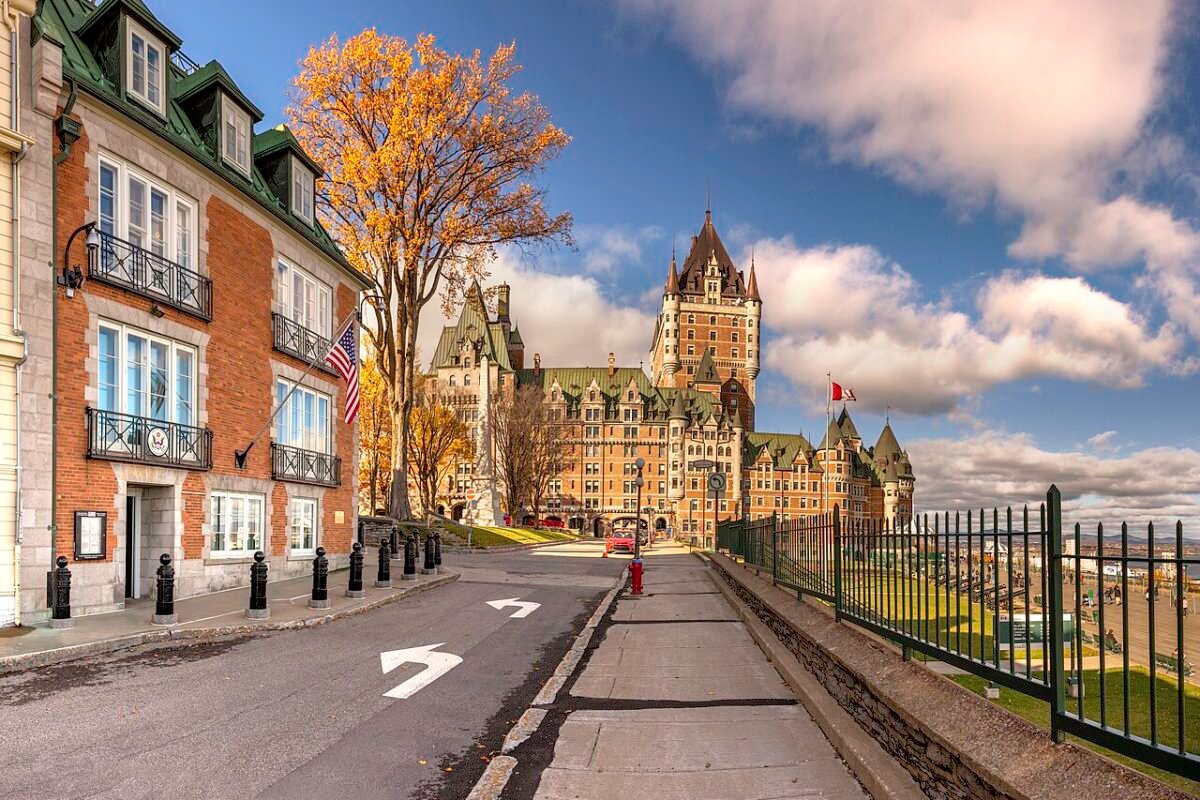
For Apna News readers in Surrey who are planning a trip east, Quebec City is a place to arrive hungry. Old Quebec, inside the walls, is the city’s most famous neighbourhood and a constant favourite among locals and visitors, and its food tells the story of the place in a direct way. Quebec City Tourism traces that food to French and Indigenous roots and to more than 400 years of history, with French, British and boreal influences shaping what is served today. This guide gathers the dishes, markets and food traditions the official tourism board highlights, so you can plan a first visit around eating well.

Start with the classics
Poutine is the dish most visitors name first, and Quebec City Tourism is clear that traditional food here goes far beyond it. Tourtiere, a meat pie with a recipe the tourism board describes as century old, is one of the classics to look for. French onion soup is another long standing favourite on the same list. Sagamite, a traditional First Nations dish, is made with hominy, rendered fat and root vegetables. For a lighter start to the day, the board also points to brunch, including wild salmon paired with fresh local berries. Together, these dishes show how French and Indigenous food traditions sit side by side on Quebec City menus, rather than belonging to separate eras.
Traditional restaurants inside the walls
Inside the walls, several restaurants keep older recipes alive with local ingredients and hearty portions. La Buche, in the heart of Old Quebec, gives a playful twist to traditional food in an interior reminiscent of a sugar shack. Its menu includes cretons, baked beans and poor man’s pudding, and its generous portions and communal tables suit a shared meal. Aux Anciens Canadiens, in one of the oldest houses in the city, serves classic cuisine inspired by the northern terroir and hunting traditions, with distinctive meats paired with dishes inherited from French cuisine. Chez Boulay, bistro boreal, is described as a pioneer of the boreal restaurant scene, offering French inspired dishes that highlight the treasures of the boreal forest.
Other names on the tourism board’s lists are worth noting before you choose where to sit down. Buffet de l’Antiquaire, in the Old Port, serves family recipes inspired by Bas-Saint-Laurent, including cipaille and a meatball stew flavoured with time honoured spices. La Buchette, on Rue Sainte-Anne, serves hearty, well crafted dishes that are perfect for sharing, including a Wagyu beef burger. Le Chic Shack, a stone’s throw from Le Chateau Frontenac and Dufferin Terrace, serves burgers made with top quality Canadian beef and bison on fluffy brioche buns, along with vegan options. Chez Temporel, on Rue Couillard just shy of busy Rue Saint-Jean, is a French bistro that has been a beloved institution for nearly fifty years.
Maple, sugar shacks and something sweet
Quebec City Tourism says maple is used in almost every aspect of local food, from maple water and hand crafted chocolates to maple sugar and taffy rolled on snow and syrup, and calls maple products among the most popular local products. At a sugar shack in spring, traditional folk music accompanies tourtiere, pea soup and oreilles de crisse, and maple syrup is drizzled over the meal. Maple also appears at the table on crepes and French toast, and in maple syrup, sugar, butter and liqueur, which are sold in souvenir formats. Spring is the best time for a sugar shack visit, although the tourism board notes that several are open year round.
For a sweet stop in the city itself, head to Rue Saint-Jean. Erico, a chocolate shop on that street, is known for its famous hot chocolate and for a choco espresso described as thick, velvety and intense. The same street is also home to C’est si bon, a candy shop. Further out, Praline et Chocolat in Chateau-Richer and La Nougaterie on Ile d’Orleans, which makes artisanal nougat and marshmallows, are part of the same artisan trail. For ice cream, the tourism board lists La Buche glacee, Erico chocolate ice cream and the homemade ice cream of Cassis and Monna et Filles.
Markets, cheese and Ile d’Orleans
Le Grand Marche is the market to build a food outing around. Quebec City Tourism describes it as known throughout the province as an essential foodie destination in all four seasons. It is a good place to look for the local products the board highlights, including blackcurrant liqueur, berry confitures, award winning cheeses and locally cured charcuterie. The same artisan food story continues on Ile d’Orleans, described as the beating heart of the local terroir, with strawberries, apple wine and ice cider among its products, and with vineyards, cideries, breweries and berry liqueurs on the island. Ice cider and icewine are made through a natural freezing process, according to the tourism board.
How to plan a food day
To pull it together, consider a food tour with a local guide. Quebec City Tourism says a tour can run from fine dining to poutine, and that starting in Old Quebec is ideal, with Saint-Roch and Ile d’Orleans as other starting points. For small, neighbourhood restaurants, the board says reservations are strongly recommended, especially for micro restaurants run by young, visionary chefs.
(Source: Quebec City Tourism, November 2026)