

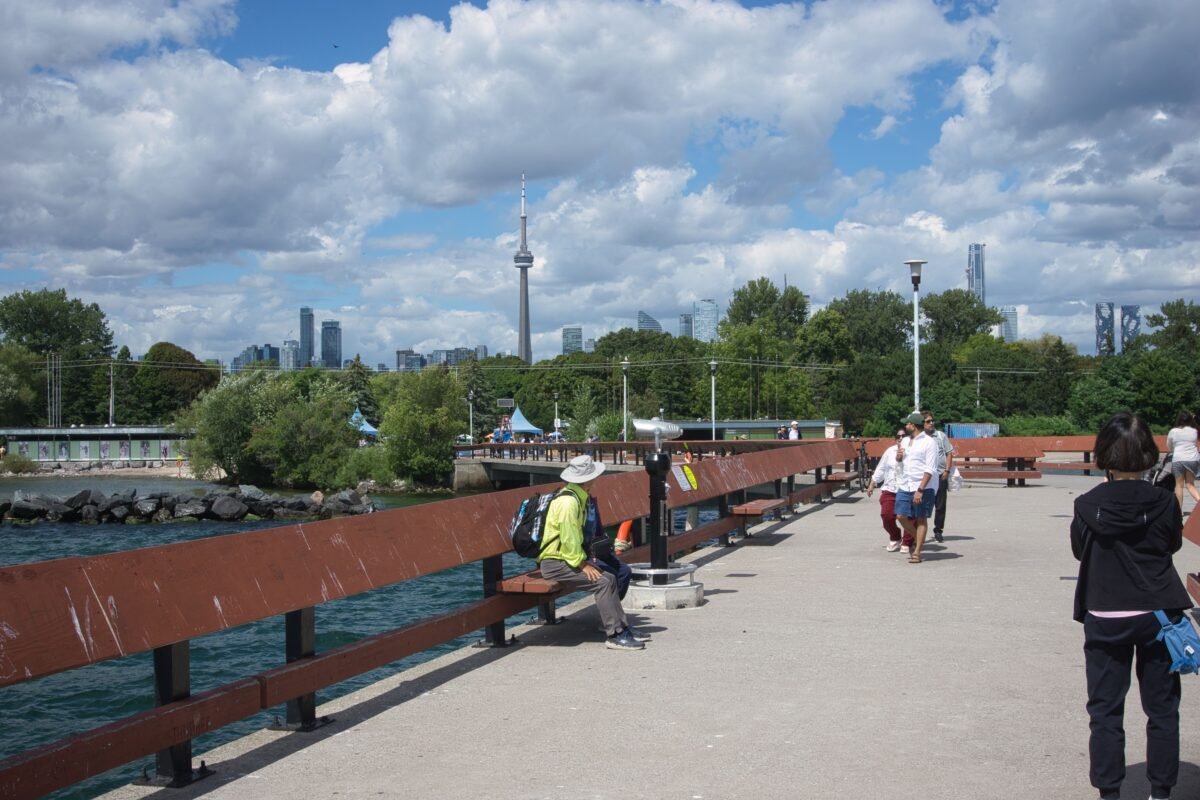
For readers in Surrey planning a Toronto trip, the city’s parks are a good place to start. Toronto has large natural areas, island beaches, gardens, trails and sports fields, and many of them are easy to reach by public transit. This guide uses the main places listed by the City of Toronto and Parks Canada.

High Park
High Park, at 1873 Bloor St. W., is a large and varied park on the west side of the city. The City of Toronto says about two-thirds of the park remains in a natural state, and it is recognized as one of the most environmentally significant areas in Toronto.
History and nature sit close together here. Colborne Lodge, built in 1837 by John and Jemima Howard, is a museum at the south end of the park. The High Park Animal Display was established in 1893 and is described by the City as Canada’s oldest animal attraction, originally housing deer. The display is closed from October 13 through spring 2027 while work is underway on Deer Pen Road, so check the City page before you plan a visit around it.
The park has the Japanese Garden and Rockery, Maple Leaf Gardens, Hillside Gardens, Colborne Lodge Heritage Gardens and a Children’s Garden. Maple Leaf Gardens was opened by Queen Elizabeth during a visit in 1958. Cherry blossom trees are found throughout the park, and the City lists High Park as one of many locations across Toronto to view them. Grenadier Pond is home to many species of flora and fauna, and part of the park’s Black Oak savannah is a globally rare and threatened ecosystem.
Families will find plenty to do. The Jamie Bell Adventure Playground is beside the Duck Pond, and the park has an outdoor pool, a wading pool and splash pads. For sport, the City lists three tennis courts, three baseball diamonds and two soccer fields. In winter, you can skate at the artificial ice rink north of the outdoor pool.
The park is served by TTC subway, bus and streetcar. Bus route 203 runs seasonally between High Park Station on Line 2 Bloor-Danforth and other destinations, and streetcar route 506 Carlton runs between Main Street Station and High Park Loop.
The Toronto Islands
The Toronto Islands are reached by ferry from the Jack Layton Ferry Terminal at 9 Queens Quay W., at the foot of Bay St. Ferries go to Hanlan’s Point, Centre Island and Ward’s Island. Centre Island Pier offers views back toward the city skyline.
Four of Toronto’s 10 beaches are on the Toronto Islands. Centre Island Beach, also called Manitou Beach, is a 10-minute walk south from the Centre Island Ferry Dock. Gibraltar Point Beach is about a 20-minute walk away, Hanlan’s Point Beach is a 15-minute walk from its ferry dock and a portion of it is clothing-optional, and Ward’s Island Beach is a five-minute walk south from Ward’s Island Ferry Dock. The boardwalk offers a 1.5-kilometre walk with views of Lake Ontario, Tommy Thompson Park and Ward’s Island.
Centreville Amusement Park, on Centre Island, is available May through September and offers over 30 rides and attractions. It is not operated by the City of Toronto. Far Enough Farm is available in the summer. The Franklin Children’s Garden is wheelchair accessible and is based on the book Franklin the Turtle, and the William Meany Maze is a hedge maze with 1,200 Black Cedars. Sakura cherry trees west of the maze bloom each spring.
Rouge National Urban Park
Rouge National Urban Park is one of the largest urban parks in North America and sits in the Greater Toronto Area. Parks Canada describes a landscape of forests, creeks, farms, trails, marshland and a beach on Lake Ontario, with human history spanning 10,000 years. The park is free and open 365 days a year, with parking lots open from 7:30 a.m. to 9 p.m. daily. Guided hikes include the Mast Trail and Vista Trail. Check Parks Canada bulletins before you go, because access to the Zoo Road Day Use Area and Rouge Beach and Marsh is currently closed.
More green escapes across the city
Scarborough Bluffs has 11 parks along 15 kilometres of bluffs, with views of the bluffs and Lake Ontario, trails, beaches, gardens and sports and recreation facilities. The bluffs stretch about 15 kilometres along the Lake Ontario shore, from the Eastern Beaches in the west to East Point Park in the east, and were formed over 12,000 years ago by sedimentary deposits and by wind and water erosion. Stay behind the fences, because the City warns that the edge of the bluffs is unstable. Centennial Park-Etobicoke, at 256 Centennial Park Rd., is home to the Centennial Park Conservatory, Etobicoke Olympium, Rob Ford Stadium and the Pan Am BMX Centre.
Planning your park days
Check the official City of Toronto and Parks Canada pages before you travel, since seasonal activities and closures can change. Start with one main park per day, allow time for transit and walking, and use the ferry, trail and garden information on the official pages to match each stop to the people travelling with you.
(Source: City of Toronto / Parks Canada, November 2026)