
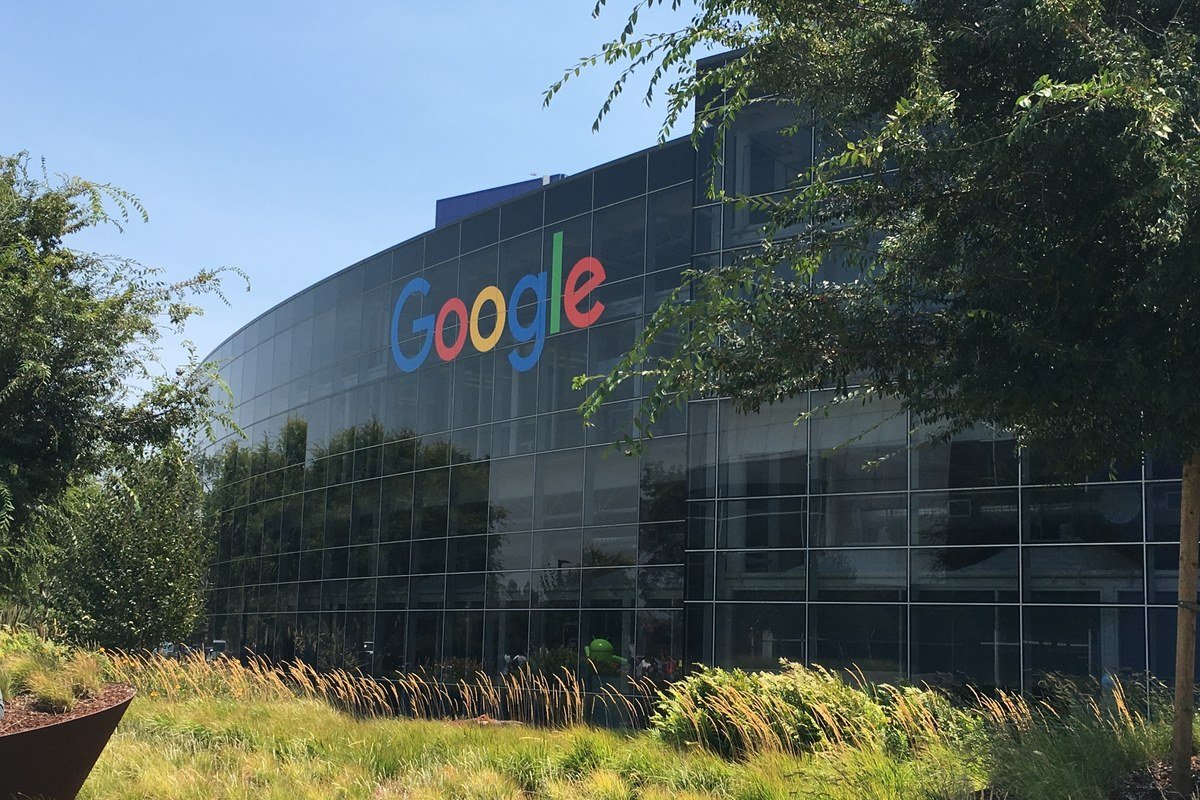
MOUNTAIN VIEW, CALIF. - Google has launched Gemini 4 Carbon, its strongest artificial intelligence model yet, built for frontier cybersecurity work and long, multi-step agentic tasks across coding, science and knowledge work. The model is now available to developers, enterprises, scientists and consumers.
Google says Carbon ranks first on CursorBench 4.0, Perplexity’s WANDR and Zapier’s AutomationBench, at more than two times lower cost per task compared to the next best external model. It is available through the Gemini API in Google AI Studio and Gemini for business for all paying developers and enterprises, at the same introductory price as Gemini 4 Argon: $2 per million input tokens and $10 per million output tokens. It is also rolling out to all Google AI Ultra subscribers in Google Antigravity, the Gemini app and AI Mode in Search.

Carbon is designed for tasks that test the limits of a model’s intelligence, including complex, multi-step coding and debugging and open-ended scientific research, using more tokens than Argon to explore thoroughly, reason deeply and run extended verification loops. Google is also previewing /swarm in Google Antigravity, which turns a single prompt into a coordinated team of agents that a user can track in real time.
For cybersecurity, Google says Carbon delivers its strongest capabilities to date. In simulated cyberattack testing, Carbon blocked 99 per cent of attack trajectories from an adaptive red-teaming agent, and the per-attempt breach rate fell to 0.8 per cent, down from 3.1 per cent on Argon. Google also says Carbon achieved a 0 per cent prompt injection attack success rate on the Gray Swan IPI benchmark, the first time that milestone has been reached.
On a 375-task agentic honesty benchmark, Carbon passed 92 per cent of tasks, compared to 70 per cent for Argon, declining to fill in missing experimental data 98 per cent of the time and flagging methodological flaws 68 per cent of the time, according to Google.
For researchers, Google has expanded its free-access program to Carbon. Four weeks ago, the company opened applications to give 10,000 scientists access to Argon in Google Antigravity free of charge for six months, and says thousands have already been onboarded. The program will now provide access to Carbon for current and future participants, with applications remaining open on a weekly rolling basis.
For Surrey’s developers, small businesses and students, the launch matters because the model is available at the same price as Argon while handling harder work: multi-package migrations, cross-subsystem root-cause investigations, full-stack web applications with build-and-verify loops, and dense document analysis across legal, finance and enterprise operations. Carbon also ranks second on a new Multimodal Knowledge Agent benchmark from Artificial Analysis, at more than six times lower average cost per task than the top performing model.
(Source: Google Blog, November 10, 2026)