
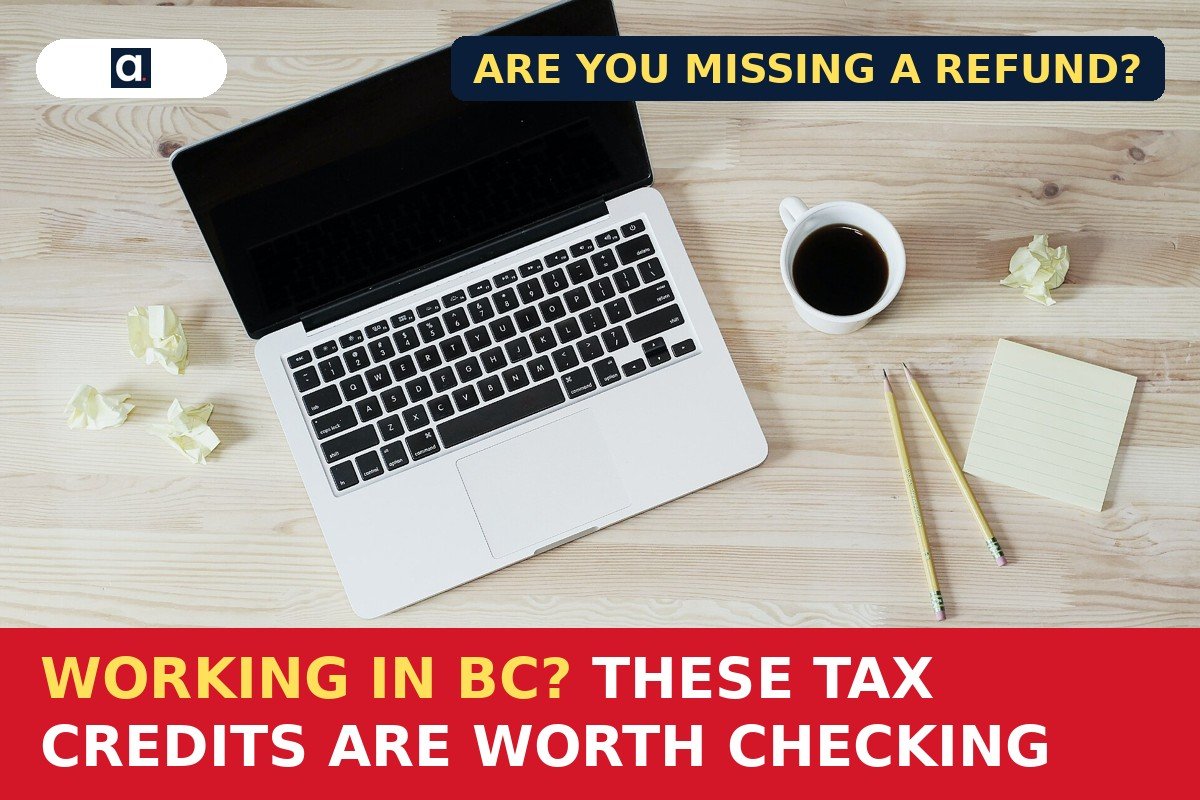
SURREY, B.C. - Plenty of Surrey residents stack a second job on top of the first: a warehouse shift after an office day, weekend retail on top of a trades week. Then tax season arrives, and the refund they expected turns into a balance owing, or a smaller refund than the pay stubs suggested. Canada’s payroll rules explain why, and most of it comes down to one fact: each employer deducts as if it were your only employer.
CPP and EI: the maximums apply per employer, not per person
The Canada Revenue Agency’s rule is that the annual CPP and EI maximums apply to each job with a different employer. For 2026, the CPP year’s maximum pensionable earnings are $74,600, with a $3,500 basic exemption, a 5.95 per cent rate and a maximum employee contribution of $4,230.45; the additional CPP2 layer adds 4 per cent on earnings between $74,600 and $85,000, to a maximum of $416. For EI in 2026, maximum insurable earnings are $68,900 at a 1.63 per cent employee rate, a maximum premium of $1,123.07.

Hold two jobs, and both employers can deduct up to those maximums. The good news: CPP and EI overpayments are refunded when you file your tax return. The CPP overpayment is calculated on Schedule 8 or Form RC381 and claimed at line 44800. The employer’s share of the overpayment is not refunded, but yours is.
The TD1 trap: the one that actually creates a tax bill
The nastier surprise is income tax itself. When you start a job, the TD1 form you fill in claims your basic personal amount and other credits. Claim the full amount at two jobs, and each employer withholds as if your total income were only what they pay you. Your combined income is taxed as one stack: the second job’s pay lands on top of the first, in whatever bracket your total reaches. The 2026 federal brackets run from 14 per cent on the first $58,523 to 33 per cent above $258,482, and B.C.’s 2026 brackets start at 5.6 per cent on the first $50,363. Under-withholding all year is how a hardworking two-job household ends up owing in April.
What it means for you
Three habits fix most of it. On the second job’s TD1, do not claim the basic personal amount twice; the form itself asks about other employers. Expect the CPP and EI overpayment to come back as part of your refund, and do not spend it twice in your head. And if the second job is substantial, set aside a percentage of each cheque for tax season, because the withholding on it is almost certainly too light. This article is general information, not tax advice; a tax professional can model your exact combined income in minutes.
(Source: Canada Revenue Agency, 2026 tax rates, brackets and CPP/EI tables, accessed November 7, 2026; CRA T4001 Employers’ Guide; CPP contribution rates and maximums; EI premium rates and maximums; Line 44800, CPP overpayment.)
Apna News

You Might Like