
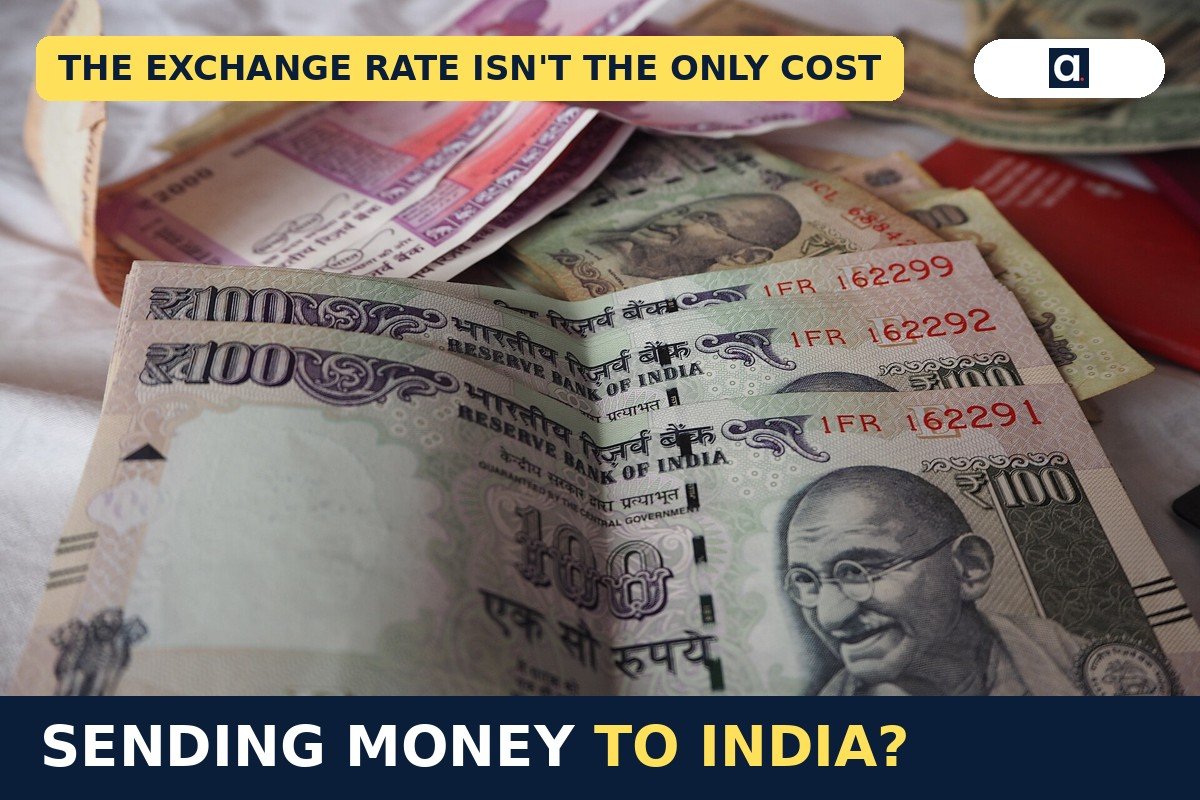
SURREY, B.C. - Thousands of Surrey families send money to relatives in India every month. Most people choose a provider by looking at one number: the exchange rate on the screen. Canada’s financial consumer watchdog says that is exactly how people end up paying more than they need to.

The Financial Consumer Agency of Canada (FCAC), the federal agency that protects financial consumers, puts it plainly: the total cost of sending money abroad has three parts, and the advertised rate is only one of them.
The three costs hiding in every transfer
1. The transfer fee. The charge you see. Some services advertise low or no fees, but as the FCAC warns, they may make up for it by offering a less favourable exchange rate. A “$0 fee” transfer can be the expensive one.
2. The exchange rate markup. Every provider buys rupees at one rate and sells them to you at a slightly worse one. That gap is a cost, even when no fee is charged.
3. Charges at the receiving end. Your recipient in India may need to pay a fee or tax to collect the money, on top of everything you paid in Canada. Federally regulated institutions in Canada must tell you what they will charge you to send, but that disclosure does not include charges that apply in India.
There is a fourth trap: paying for a transfer by credit card. The FCAC notes the transfer may be treated as a cash advance, with interest charged right away at a higher rate than regular purchases.
The only number that matters
Compare providers on one figure: how many rupees actually land in the recipient’s account for the same Canadian dollars sent. Small rate differences grow fast at family-transfer sizes. A difference of 50 paise per dollar (₹0.50) on a $5,000 transfer is ₹2,500, before any fees.
A five-point check before you send
1. The exact Canadian-dollar amount you are sending.
2. The exchange rate you are being offered, compared with the day’s reference rate.
3. Every fee, yours and the recipient’s.
4. The final rupee amount that will arrive.
5. How long it will take, and what happens if something goes wrong, including the refund process.
Confirm the recipient’s name and account details digit by digit, use a provider you can verify is legitimate, and be suspicious of any last-minute message asking you to change where the money is going.
What it means for you
Two transfers of the same $5,000 can deliver noticeably different amounts to a family in Punjab. Spending two minutes comparing the final rupee figure, rather than the headline rate or the word “free”, is the single most valuable habit a sender can build. This article is general information and does not recommend any particular provider; rates and fees change daily.
(Source: Financial Consumer Agency of Canada, “Sending money to someone in another country,” accessed November 7, 2026)
Apna News