
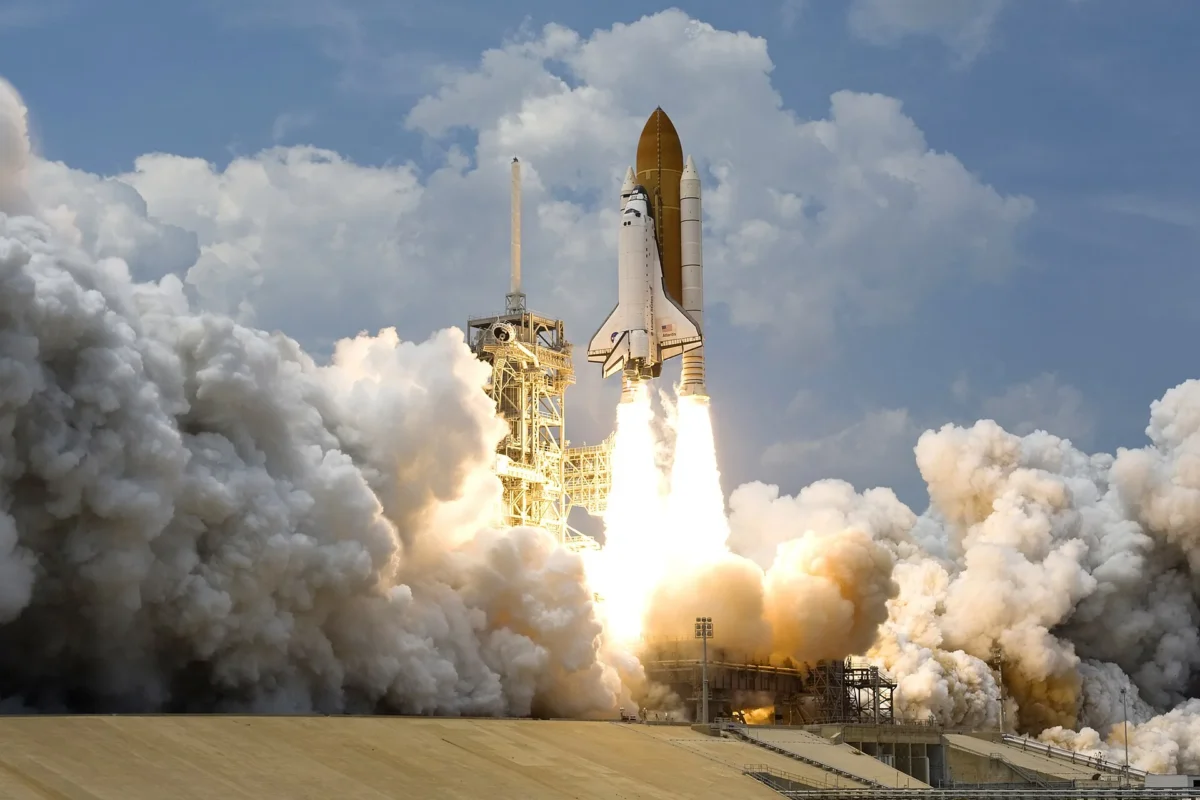
SURREY, B.C. - Canada has signed a 10-year, $20-million spaceport agreement with NordSpace for access to the Atlantic Spaceport Complex in Newfoundland and Labrador, a step toward giving the Canadian Armed Forces the ability to launch rockets from Canadian soil.
Defence Minister David J. McGuinty announced the agreement in Ottawa on October 21, alongside other new space initiatives that bring the total value of space-related contracts, grants and contributions announced this year to more than $3 billion.

A second spaceport door for the military
The NordSpace deal follows a 10-year agreement with Maritime Launch Services announced in March 2026. Together, National Defence says, the two agreements will provide the Canadian Armed Forces and its partners access to conduct launches and research and development activities.
“A sovereign spacefaring Canada needs the ability to launch a payload into orbit on its own schedule, from its own soil, on its own rocket when national security demands it,” said Rahul Goel, founder and CEO of NordSpace, in the release.
Satellites, Arctic links and NATO
The announcement bundled several other moves. Through the IDEaS program’s Gateway to the Stars challenge, which is investing $17.9 million in projects to improve satellite connectivity, Canada is awarding a $4.7-million contract to Kepler Communications to develop optical inter-satellite communication networks. The contract is for a two-year period, to develop and test laser-based links that allow satellites to exchange data directly, improving the speed and resilience of space-based communications in Canada’s Arctic and other remote regions.
Canada has also joined the NATO STARLIFT initiative as a full member. STARLIFT is a NATO project that aims to develop a more resilient, responsive and cost-effective network of space launch capabilities, enabling Allies to launch assets at short notice from spaceports across the Alliance.
Jobs and a path for Surrey students
The department says recent investments are increasing demand for engineers, scientists, technicians, software developers and advanced manufacturing specialists across the country, and are expected to support approximately 3,000 jobs annually. The Canadian Armed Forces is also establishing a dedicated Space Mission Operator occupation, which will enable the Royal Canadian Air Force to attract, train and retain highly skilled personnel.
For Surrey students considering STEM programs, Ottawa is putting money behind the pipeline. The Department of National Defence is investing $1.2 million over two years in the next generation of Canadian space professionals through Launch Canada and the IDEaS Space Rocketry Talent Development Initiative, which connects students and emerging professionals with student-led projects, competitions, hands-on training and early-stage research.
“Canada has the talent, technology and ambition to remain a leader in space,” McGuinty said.
Sources: National Defence / Canadian Armed Forces, “Minister McGuinty announces strategic advancements for Canada’s sovereign space capabilities,” October 21, 2026.