
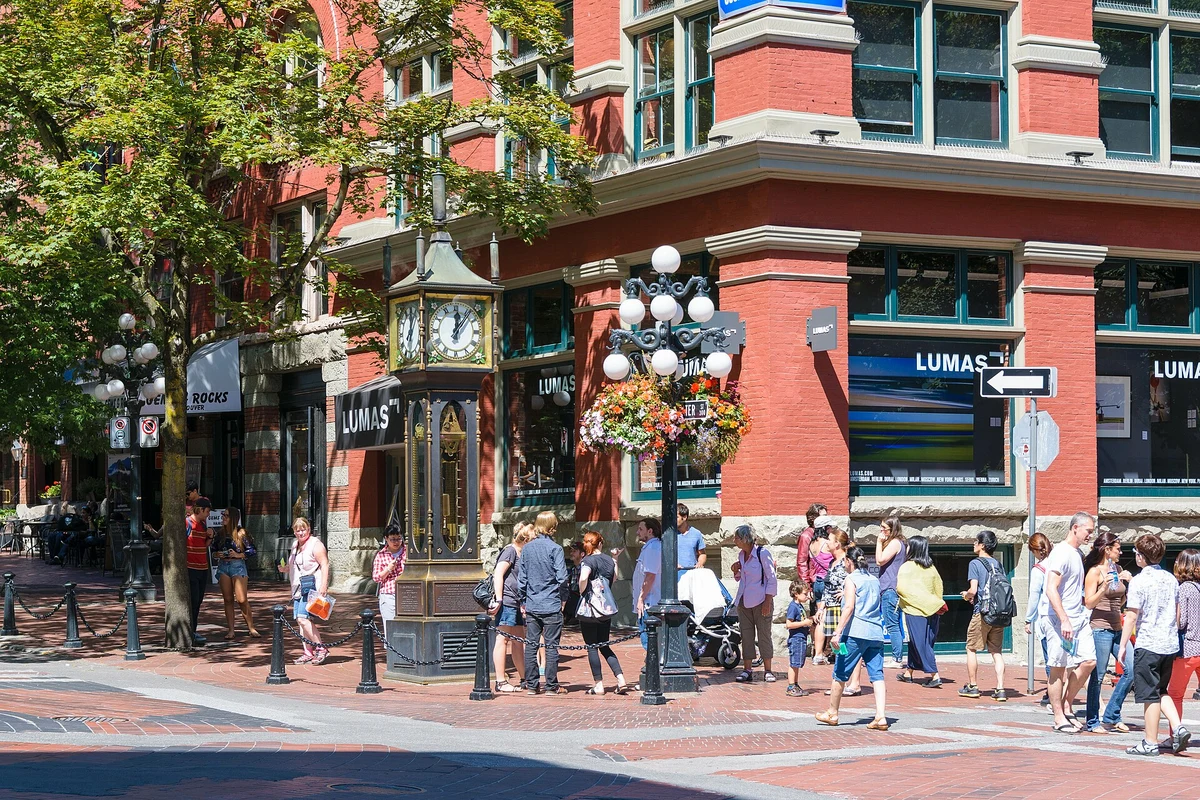
VICTORIA, B.C. - British Columbia’s clocks did not move at 2 a.m. on Sunday, November 1, 2026, and they will not move again. The province has completed its switch to a single year-round time, officially called Pacific Time.

Pacific Time runs seven hours behind Coordinated Universal Time (UTC-7) all year, the same offset B.C. previously used only during daylight saving time. The province’s final clock change was on March 8, 2026, when clocks sprang forward for the last time. The fall-back that would have happened on November 1 will not happen this year or in any year after, the Province says. The new time zone’s abbreviation is PCT, replacing the seasonal PST and PDT. The change rests on the Interpretation Amendment Act, passed in 2019 and brought into force this year.
The new time gaps
Washington, Oregon and California still fell back on November 1, so Seattle now runs one hour behind B.C. until U.S. clocks spring forward on March 14, 2027. For Surrey and Lower Mainland residents, that means Blaine and Point Roberts are now an hour behind Surrey, a gap that did not exist before this weekend.
Toronto and Montreal are now two hours ahead of B.C., not three. Alberta also stopped changing its clocks, so Calgary and Edmonton sit one hour ahead of Vancouver, and Winnipeg now shares the same time as Toronto. The Yukon is aligned with B.C. year-round.
Two exceptions inside B.C.
The East Kootenay, including Cranbrook, Fernie, Kimberley, Invermere, Elkford, Sparwood and Radium Hot Springs, stays with Alberta time and is now one hour ahead of the rest of B.C. through the winter. Northeastern B.C., including the Peace River region, stays on year-round mountain standard time (UTC-7), which is the same clock time as Pacific Time, so nothing changes there.
Why the province did it
The provincial government says permanent Pacific Time improves overall health, reduces disruptions for families, simplifies scheduling and gives an extra hour of evening light during the winter months. In the province’s 2019 public engagement, 223,273 people took part and 93 per cent supported adopting year-round daylight saving time. The trade-off is darker winter mornings, since sunrise comes an hour later by the clock in December and January.
What to check this week
Some phones, computers and other devices still set to the old “(UTC-08:00) Pacific Time (US & Canada)” setting may have fallen back on their own overnight and now read one hour behind. Microsoft has added a separate “(UTC-07:00) Pacific Time (British Columbia)” setting for this reason. School districts have warned families that calendar meetings can show up an hour off in the first weeks of November. Check car clocks, ovens and thermostats, and double-check meeting times and cross-border appointments until every device is on the B.C. setting.
(Source: Province of British Columbia, Pacific Time page and news release, March 2, 2026; Government of Alberta, Alberta’s new time system (ABT); Government of Manitoba, No More Falling Back)

You Might Like