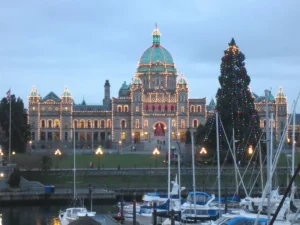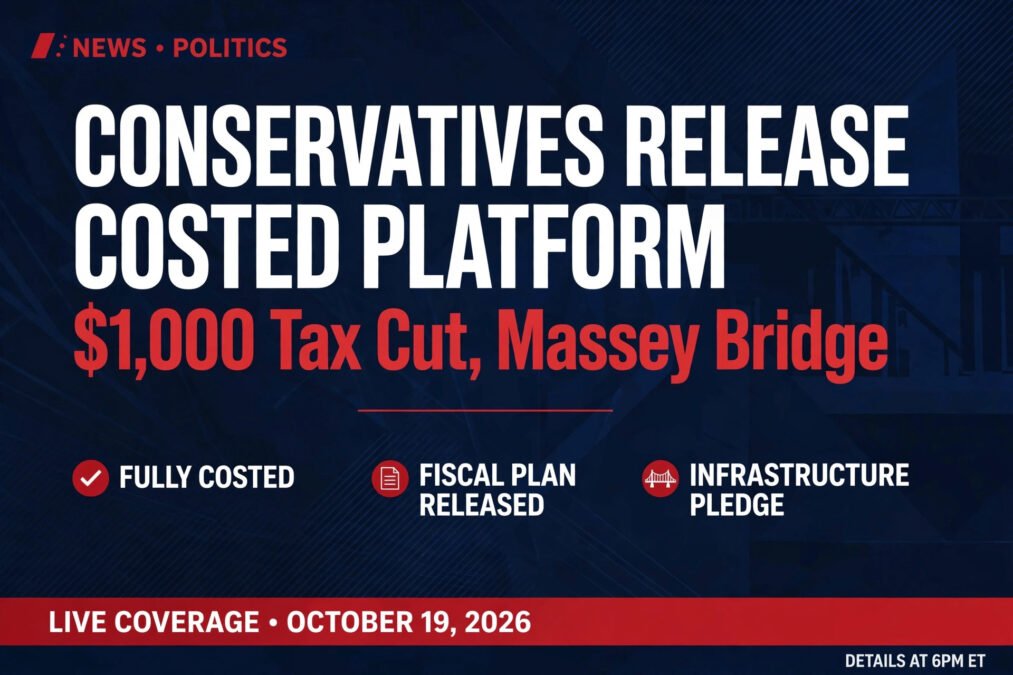
VICTORIA, B.C. - The Conservative Party of BC released its costed election platform on October 18, headlined by a $1,000 annual income tax cut, a ban on TransLink car taxes, a new Massey bridge crossing, a Surrey hospital commitment, and an end to the province’s zero-emission vehicle sales quota.
The tax cut is the centrepiece. A Conservative government would raise B.C.’s basic personal exemption from $13,216 to $32,000, the most generous in Canada. The party says the change would put up to $1,000 a year back in the pockets of nearly every working British Columbian, and $2,000 for a typical two-income household, or about $167 more a month for gas and groceries.

“While everything becomes more expensive, David Eby has taxed working British Columbians to the limit. Too many families are struggling to put food on the table or put gas in their cars,” Conservative Leader Lorne Doerkson said. “Under my government, you’ll keep $1,000 more of what you earn.”
Doerkson announced the tax cut at Sabzi Mandi supermarket in Surrey earlier in the campaign, linking the policy directly to affordability pressures facing working households. The party says the measure is designed to give immediate relief while making B.C. more competitive for workers and investment.
On transit, the platform promises to ban TransLink from imposing new car taxes, a pledge aimed at Metro Vancouver commuters. The party also commits to moving ahead with a new Massey bridge crossing to replace the aging tunnel, a project with major implications for Delta, Richmond, and Surrey commuters who cross the Fraser River daily.
Healthcare commitments include a new hospital for Surrey, a city where hospital overcrowding and emergency room waits have been a top concern for years. The Conservatives say the NDP’s tax policies are driving doctors away, and argue that lower taxes and a stronger economy are needed to attract and retain health workers.
The platform also promises to end the province’s zero-emission vehicle sales quota, which requires automakers to sell a rising share of electric vehicles. The Conservatives say the mandate drives up vehicle costs for families.
“British Columbia has gone off track for the last nine years, and families are paying the price,” Doerkson said. “The NDP’s record is clear; high taxes and low growth. We have a plan for low taxes and high growth. A plan to cut your taxes, create good jobs and get BC moving again, and we’re ready to deliver.”
The party also promises to remove the PST on machinery, equipment and business software for three years, restore the Premier’s Technology Council, expand apprenticeships and trades training, and appoint a blue-ribbon panel to report within 180 days on simplifying the tax system.
The NDP has attacked the platform’s numbers, claiming the document hides $2 billion a year in cuts to contingencies, uses unrealistic revenue forecasts, and would leave a fiscal gap of at least $5 billion. The Conservatives reject that characterization, saying their plan is fully costed and that economic growth will fund services.
The release of the costed platform came days after advance voting began on October 16. The NDP had spent days pressing Doerkson on when the costing would appear, noting at the leaders’ debate that he had promised voters would see “a fulsome plan” before going to the polls.
With election day on October 24, both parties are now asking voters to judge competing economic visions: the NDP’s pitch of targeted tax relief and public investment, and the Conservatives’ promise of broad tax cuts and faster growth.
Source: Conservative Party of BC
Advertisements