
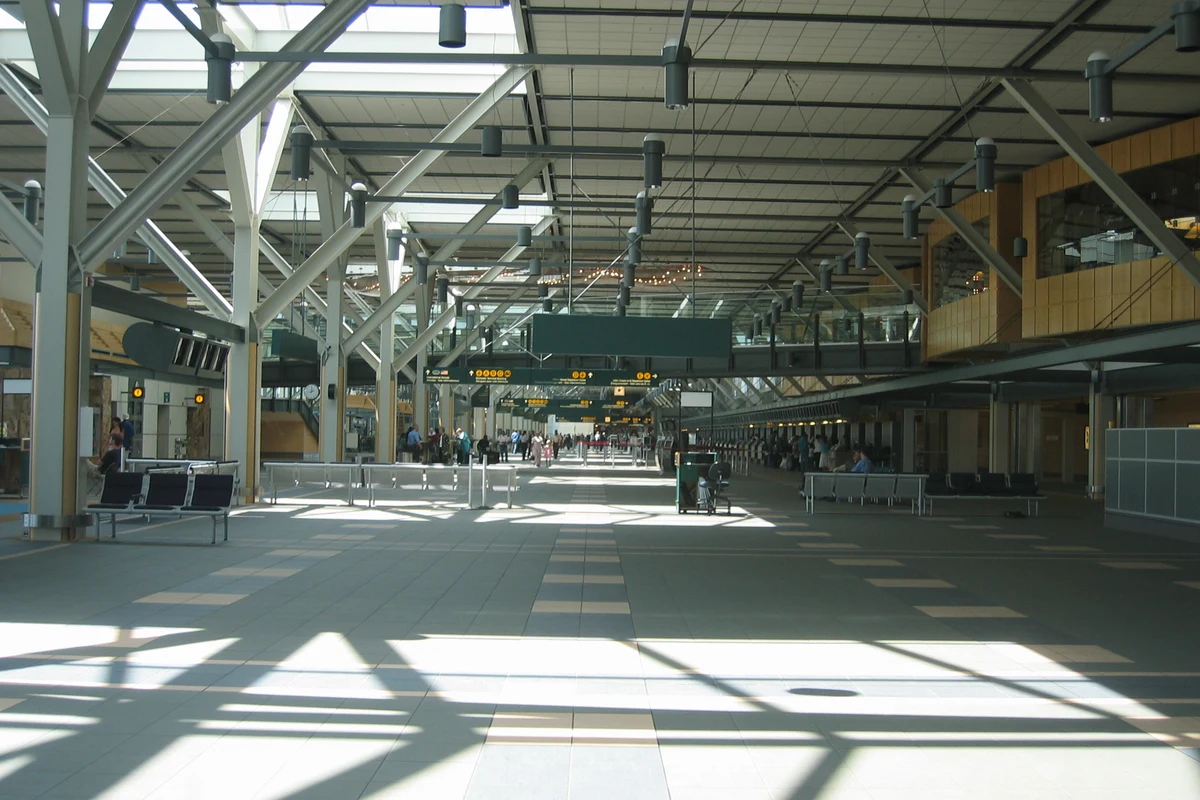
RICHMOND - Vancouver International Airport has opened the next application period for the B.C. Low Carbon Jet Fuel Incentive Program, with approximately $13 million expected to be available for incentives on low-carbon jet fuel delivered and uplifted in British Columbia during the 2027 calendar year, YVR announced November 4, 2026.
Since 2024, YVR has played a leadership role in the program, which supports airlines using sustainable aviation fuel, known as SAF, in British Columbia. Through financial incentives, the program helps offset the additional cost of SAF relative to conventional jet fuel, supporting its adoption and helping reduce emissions from air travel in B.C. During the first two years of the program, more than 28.1 million litres of SAF were purchased, resulting in the avoidance of approximately 61,000 tonnes of carbon dioxide equivalent emissions.

SAF is a lower-carbon alternative to fossil jet fuel that can be used safely in today’s aircraft. It is made with renewable and waste-derived materials, such as municipal solid waste, waste fats and oils, and agricultural and forestry residue. Depending on the feedstock and production pathway, SAF can lower lifecycle emissions by up to 80 per cent compared to fossil jet fuel.
The program is backed by B.C.’s Low Carbon Fuel Standard. YVR has partnered with the Province of B.C. to help increase the use of lower-carbon fuels, in support of the airport’s goal to become Net Zero by 2030 in its operations.
Travellers also have a role to play. Earlier this year, YVR launched its own online calculator that allows travellers to estimate their flight’s greenhouse gas emissions and contribute to the use of SAF. Contributions made through the calculator are applied to environmental attributes associated with SAF and help enable airlines’ further use of SAF, through a partnership with Chooose and Air Canada.
For Surrey travellers, YVR is the region’s airport, and the cost of lower-carbon fuel feeds into the price of flights. The incentive program is designed to close the price gap between SAF and conventional jet fuel, keeping B.C. flights competitive while cutting the emissions from every departure.
(Source: Vancouver International Airport, November 4, 2026)